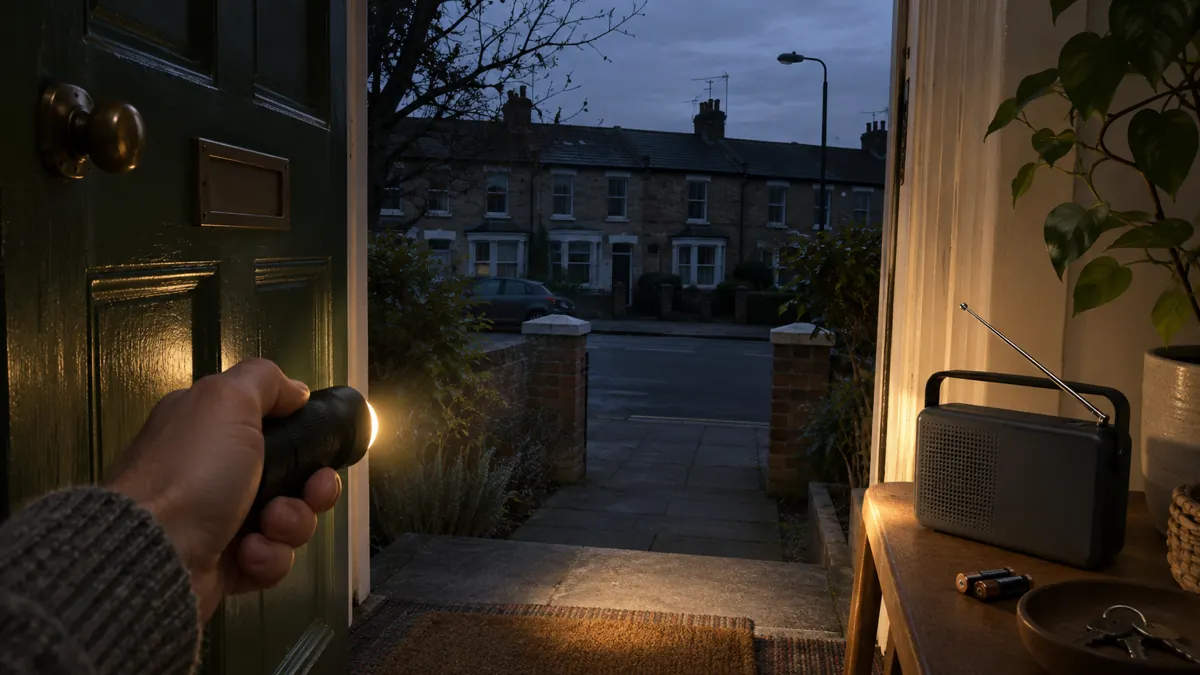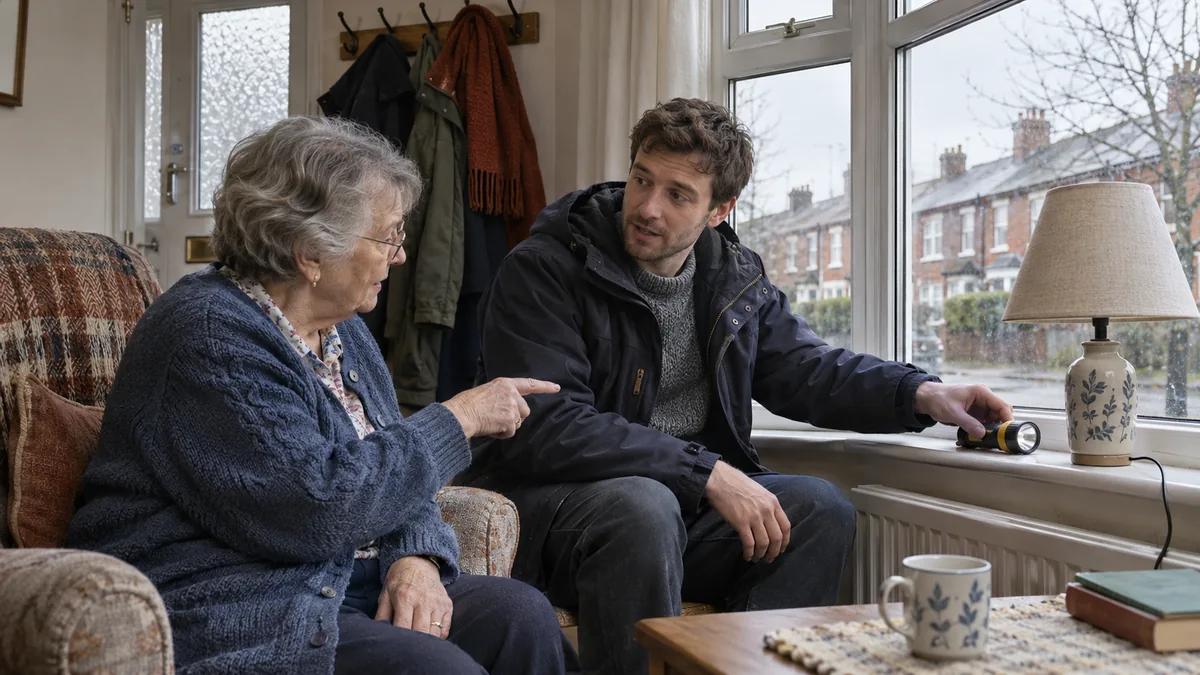
When a power cut stops a stairlift or medical equipment from working, the electricity network needs to know who may need extra help. Its Priority Services Register is a free list of people who may need that support. You can join through the company that supplies your energy or the one that runs your local network.
In three written replies to Liberal Democrat MP Lisa Smart on 27 November, energy consumers minister Polly Billington said her department had not estimated what share of eligible households in Great Britain were missing from electricity networks’ registers. Smart asked how many homes were on each of the 14 local networks’ lists, how well support worked in power cuts lasting more than a day and when a review would lead to changes.
Billington said the registration figures were held by the network companies. Her department had not made a separate assessment of how well help worked during long power cuts in each of the past three years. She said networks had provided hot food, warm places to go, somewhere to stay and welfare checks after severe weather.
What the regulator counts
Ofgem, the energy regulator, already requires electricity networks to compare the number of households on their lists with an estimate of how many are eligible in their areas. It ties part of the financial reward or penalty for supporting vulnerable customers to how many of those homes are on the register.
Daylight Post checked how that measure is calculated. Ofgem says the current targets use 2011 census data. In its plans for the next round of network funding, which starts in April 2028, the regulator says companies should use 2021 census figures to forecast how many homes are eligible. It has also decided to set a common target for the networks and is considering how to check the quality of their records.
The count can tell Ofgem how well a network is doing against an estimate. It cannot tell the network which homes it still needs to find. Someone coming home from hospital may suddenly need extra help, even if they have lived at the same address for years. Billington said Ofgem’s wider review of the register was still under way and the government would respond once it was complete.
What joining can do
People who have reached State Pension age, households with young children and people with a disability or long-term illness can ask to join. People recovering from a hospital stay can ask for temporary support. Ofgem says registered households can get priority help in an emergency and advance notice of planned power cuts where possible.
The network operator is responsible for support during an outage. A place on its list does not guarantee a set time for the power to come back or a particular form of help. Some operators offer backup batteries to selected customers. We previously looked at what Britain’s blackout plan means for people who rely on medical equipment.
The distinction matters this winter. Networks can see the needs people have shared with them, but the government has no estimate of how many eligible homes are still outside that system.