Direct payments: can councils take back care money when families can’t find help?
England’s councils can ask families to return unspent direct payments for a disabled child. A minister’s answer explains what councils can weigh up first.
After a death, a coroner can warn an organisation about a risk that could cost more lives. The organisation can come off the public list of late replies as soon as it responds, even if the safety work is still ahead. Ministers say they are exploring a wider public system for tracking action.
England’s councils can ask families to return unspent direct payments for a disabled child. A minister’s answer explains what councils can weigh up first.
A grant supports free breakfasts at 924 schools with secondary-age pupils in England this year. Ministers gave no commitment on funding beyond July 2027.
England plans to bring NHS records together. Ministers have yet to decide how detailed notes from children’s therapy sessions would be shared.
The UK charges £1,000 to register a child as British and estimates processing costs of £324. The Home Office says it cannot give separate figures for fee income from children.
A landlord’s summer eviction route for qualifying student house shares in England depends on when the tenancy was agreed. A minister says a preliminary deal can matter.
England’s proposed safety badge would check how school apps protect children and their data. A new reply explains what the checks would leave out.
Access to water and energy, water quality, costs and who is responsible.
Affordable homes, rents and the decisions that determine who can find a suitable place to live.
Immigration status, accommodation, rights and oversight of migration and asylum policy.
Some shared ownership leases in rural England cap what buyers can own at 80%. Ministers do not know how many homes are affected.
Local NHS rules in England can give parents different access to funded egg or sperm freezing before cancer treatment. We compared two current policies.
Recorded waits of more than 52 weeks for bone and joint care in England rose 17% from April to September, even as fewer cases passed 18 weeks.
The Post Office accepted 907 applications after its Horizon Shortfall Scheme deadline. We explain who was let in late and which scheme still takes applications.
Some 36,620 children in care in England were placed outside their council area. We checked who is meant to keep mental health support going after a move.
Figures for England and Wales show 1,613 family court legal aid refusals on financial or legal grounds for applications using evidence of abuse.
Ministers have no plans for a new student train discount for trips home. We checked who can use the 16-25 Railcard and what the £12 morning minimum changes.
A prisoner can normally read a victim personal statement in a minimum term review. We checked who decides what can be withheld and what support families get.
England’s cladding bill could put registration costs on leasehold service charges. We compare the new proposal with existing protections for fire assessments.
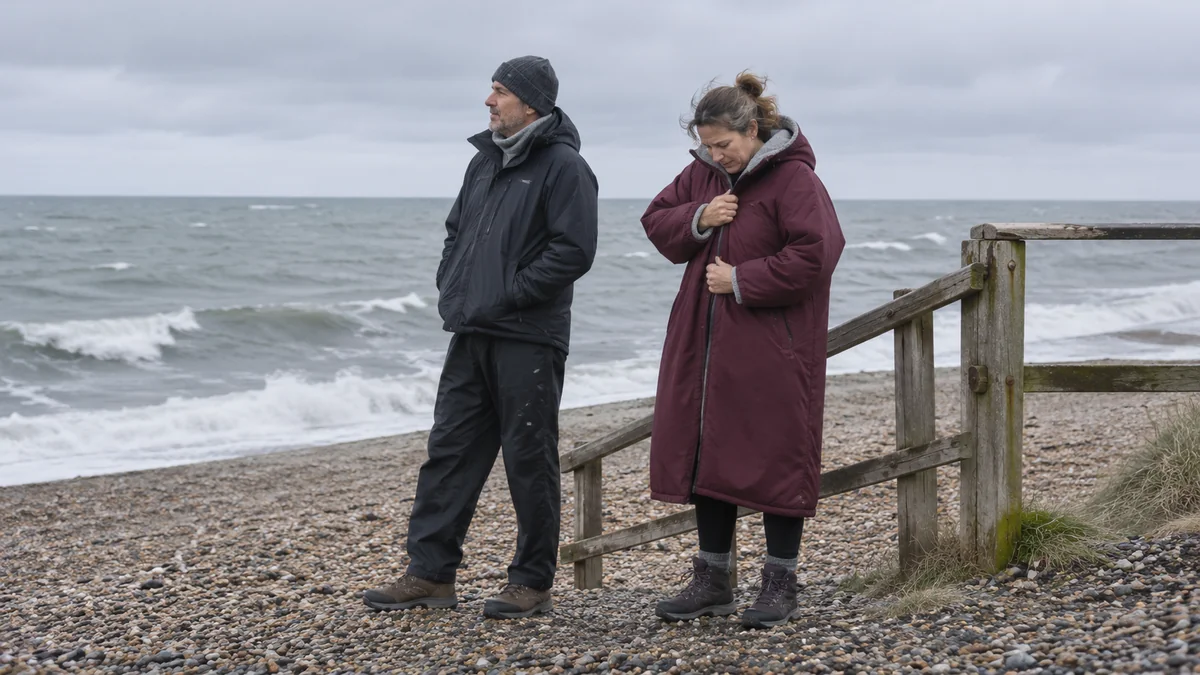
The newest sample shown on England’s bathing water map is from September. We checked all 464 sites and explained what the ratings tell winter swimmers.
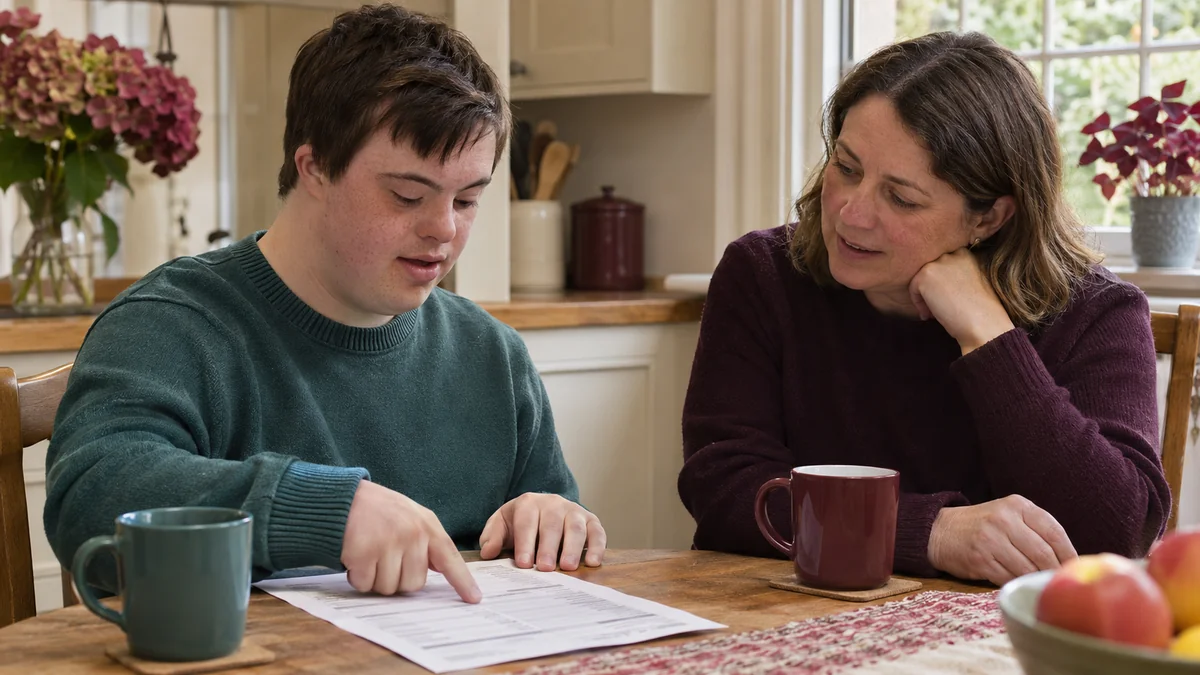
A Child Trust Fund can affect what a disabled young adult contributes to care in England. Ministers have proposed easier access to the money.
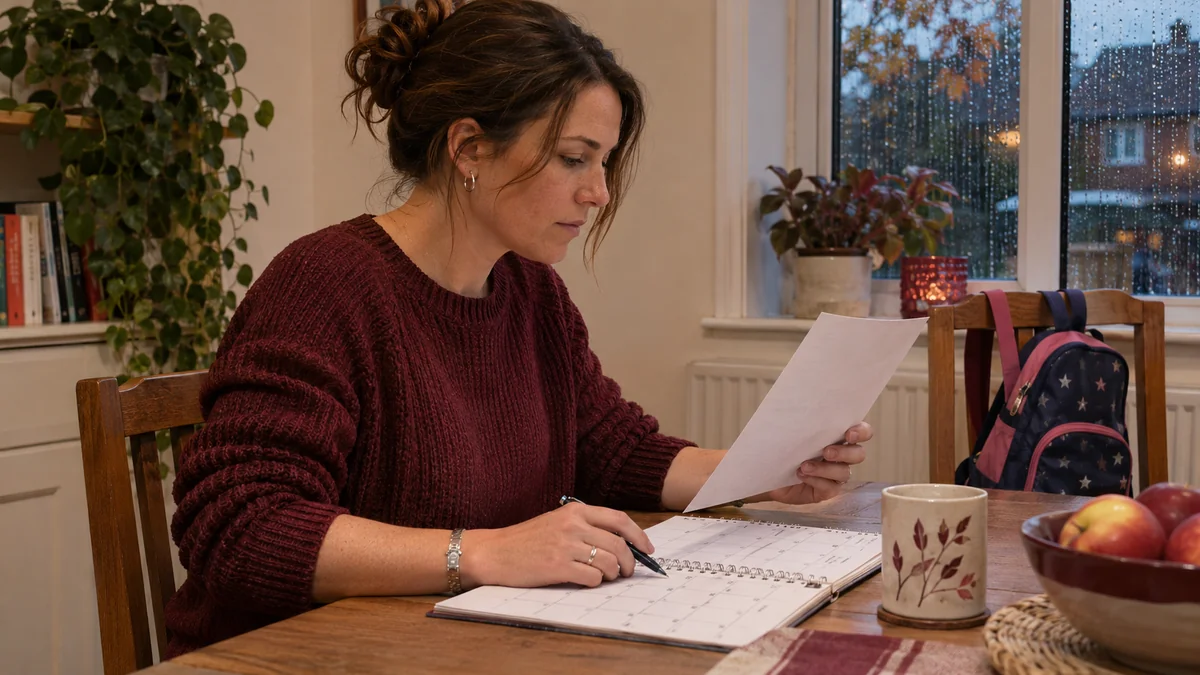
Family courts logged 6,152 applications about enforcing orders for children in 2025. Find out what the figures count and when parents can return to court.
Healthcare, access to treatment and the people who keep public services running.
Housing, work, income and the security to live a decent life.
How taxes, pay and public spending affect households and services.
Who can challenge a decision by the police, a court or the government, and what happens when they do.
Decisions abroad that affect people in the UK, and decisions the UK helps make overseas.
Water supplies, energy bills and decisions that affect the places we live.
Privacy, technology and the influence of the companies behind our digital lives.
Access to learning, equal opportunity and the future of public education.
Our perspective
Decisions about public life are decisions about people. We examine who benefits, who carries the risk and whether those with power are held to account.
Editorial standards