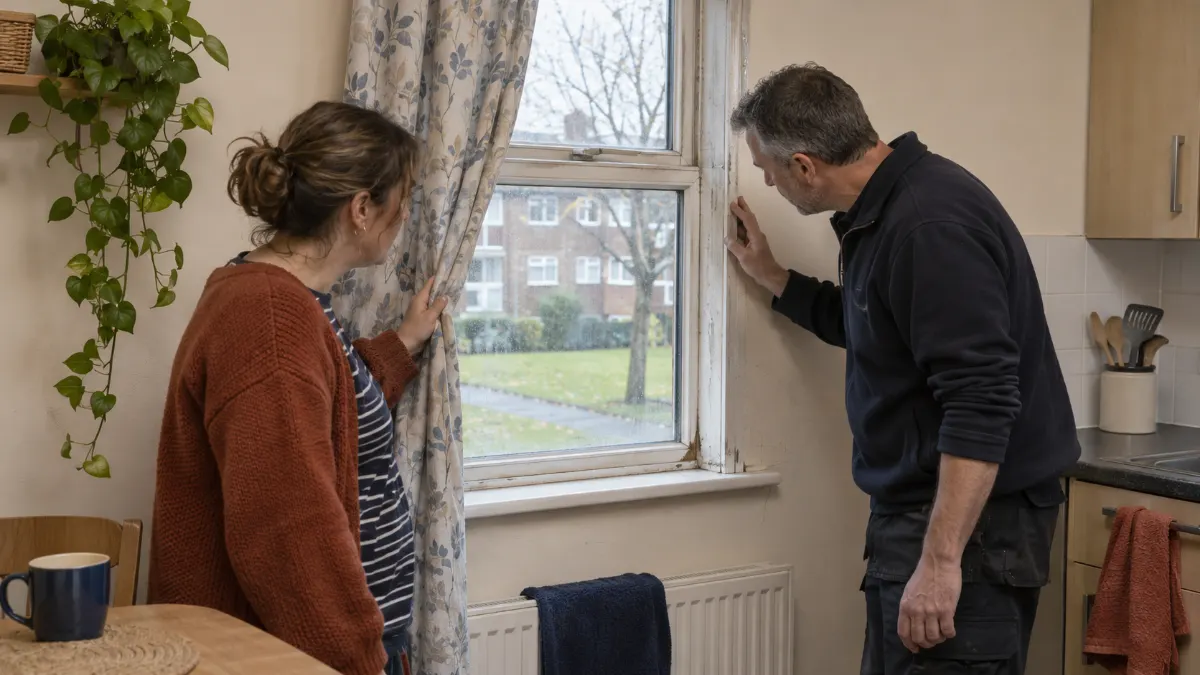
England is raising the minimum standards for rented homes. The new Decent Homes Standard will cover issues such as the condition of roofs and windows, whether kitchens and bathrooms are usable, and whether homes are safe. The first new energy requirement for social landlords is due in 2030, with exemptions in some cases. The wider standard applies from 2035, and a second energy requirement follows in 2039.
Conservative MP Katie Lam asked how councils would be funded to meet the standard. Housing minister Matthew Pennycook said on 26 November that there would be no government grant set aside specifically for it. The Office for Budget Responsibility, which produces independent forecasts for the public finances, reports a government estimate of about £5 billion for local authorities to meet the standard.
Where the money would come from
We compared what the minister said with the forecast and the housing rules. Pennycook pointed to £1.7 billion committed between 2025 and 2030 to help make social homes warmer and cheaper to heat. That fund covers energy upgrades for social landlords, including housing associations. The £5 billion estimate covers local authorities and the cost of meeting the new standard more broadly.
Councils with social homes have separate housing accounts, which receive rent and pay for work such as repairs and improvements. They can also borrow towards investment. The budget watchdog says rising building costs and the work already needed on existing homes will make it harder for many councils to build more homes as well.
What tenants could pay
Pennycook also pointed to changes to social rents in England. From April 2026 most annual increases for existing tenants are limited to inflation plus one percentage point. Landlords can raise some rents that are below the level set by a national formula by up to a further £1 a week in 2027-28 and up to £2 a week each year from April 2028. The extra increase stops at that formula level. The rules give landlords more room to raise money from rents, without setting aside that extra income for work under the new standard.
The dates for the new standard leave existing duties in place. Social landlords already have to investigate and make safe serious damp and mould and emergency hazards within set times under Awaab’s Law. We have also looked at the separate energy rules for private landlords, where a spending limit can affect which improvements tenants get.
