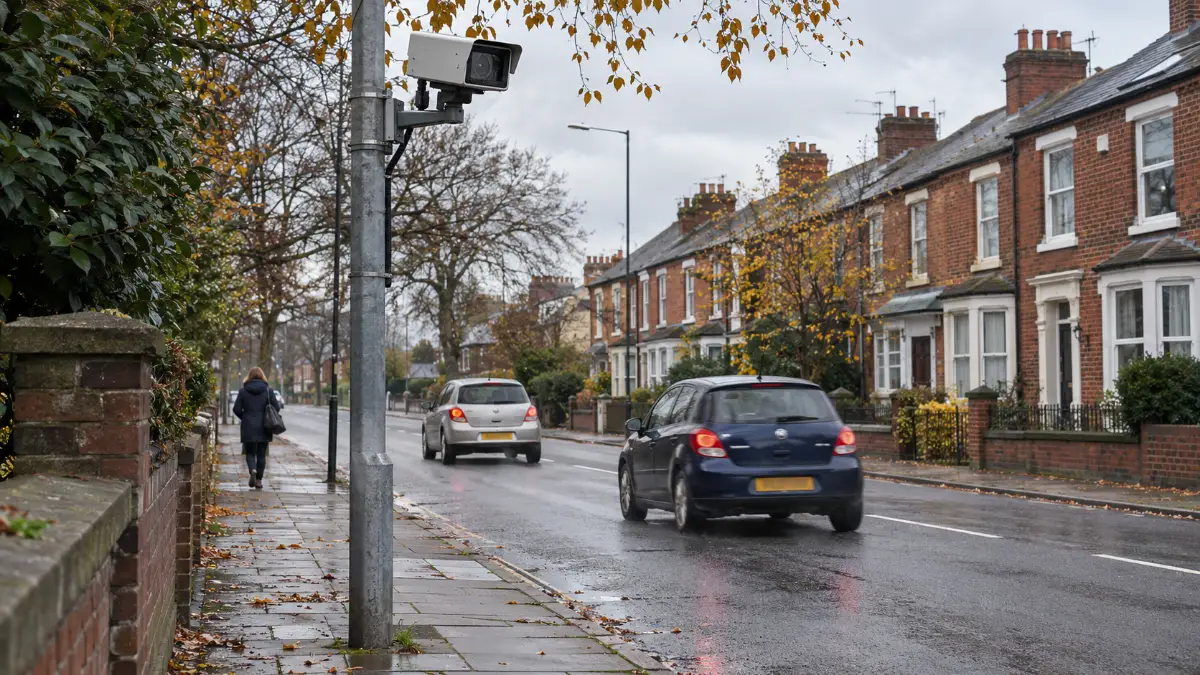
The cameras are already in use across the UK. They can record a vehicle's number plate, where it was seen and when it passed. The police tool at the centre of the debate is separate software that uses artificial intelligence to look for patterns in some of those records. The records can include everyday trips by people with no connection to crime. The software can flag a vehicle for officers to look at more closely.
Tim Clement-Jones, a Liberal Democrat member of the House of Lords, put four questions to the Home Office about the tool. He asked what powers police rely on, what checks had been carried out, how the software treats journeys and who can see the data. David Hanson, a Home Office minister who sits in the Lords, gave the same reply to all four on 25 November. He said only a small number of police staff who have passed security checks in three regional organised crime units use it. He said it has yet to be extended to other types of crime and there is no national rollout planned at present.
What the £527,000 contract was for
Daylight Post compared those answers with the contract notice published by the Police Digital Service in August. The award, made in July, was worth £527,497.50. The notice says the work would improve the software for investigations into gangs moving drugs between areas and gather evidence to help decide whether it could be used nationally. It also describes possible use in other types of crime in future.
The contract sets out work to develop the tool and test the case for wider use. The minister's answers give a snapshot of who can use it now. Together, the documents show why work towards a possible expansion can be under contract while use remains limited to three police units.
Who can see the records?
ANPR stands for automatic number plate recognition. The police network at issue here is separate from the motorway cameras that enforce changing speed limits. Under Home Office rules, authorised officers can look up the place and time a car was recorded, including in records kept for up to a year. Some records can be kept longer, for example if needed as evidence.
Hanson listed organisations approved for access to national camera data. They include police forces, Immigration Enforcement and HM Revenue and Customs, the UK's tax authority. That list covers the underlying records. The minister named only the three police units as users of the software and did not answer whether other bodies can receive what it finds.
What a flag can mean for a driver
The minister says the software does not track cars itself or make automated decisions. It finds possible leads for officers to investigate. The contract notice describes how police can use those leads to decide where a stop and search might be warranted. The government did not give figures for how often the software flags a vehicle that officers later find has no connection to a crime.
In September, the Information Commissioner, the UK's data protection watchdog, said there was a public interest in understanding whether people unconnected to crime could have their journeys monitored. In a freedom-of-information decision, the commissioner ordered the Home Office to release parts of three documents, including a privacy assessment for a later phase of the tool, while allowing some details to be withheld. A redacted version of the initial assessment was already public, the commissioner said. In November, Hanson pointed to a privacy assessment completed before the pilot and shared with the official who oversees police use of surveillance cameras. His replies did not say whether assessments had been completed for the July contract or whether they would be made public.