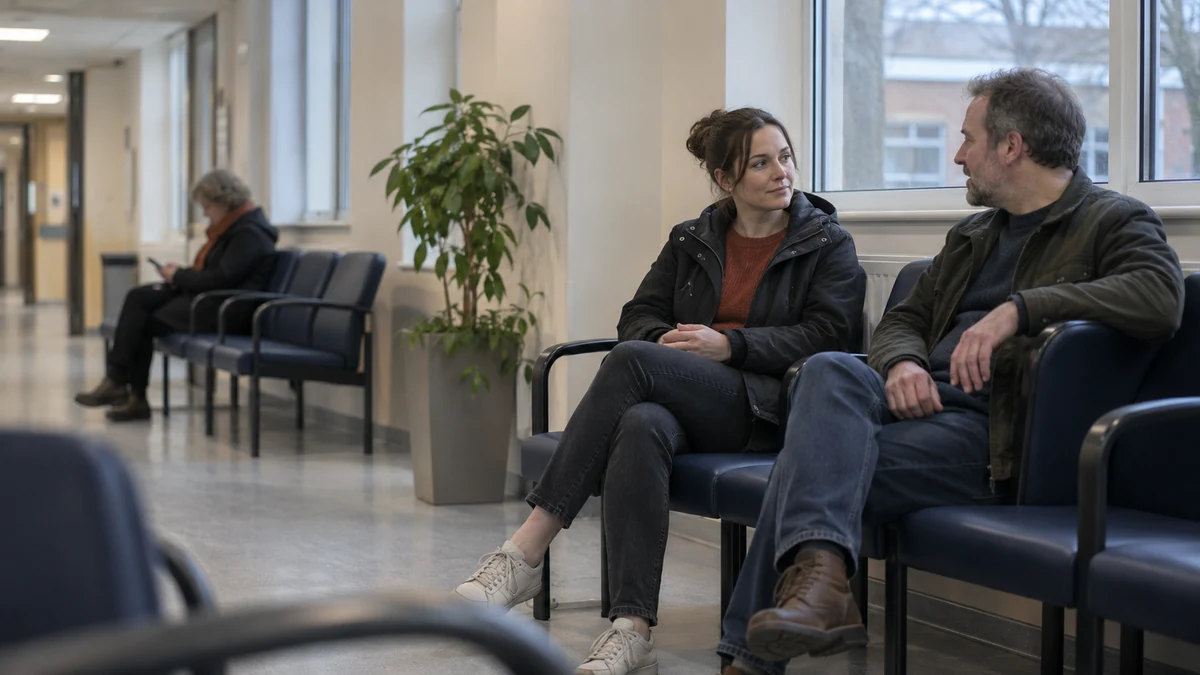
A person who goes to accident and emergency (A&E) in a mental health crisis may be referred to a specialist team. The team works with emergency staff to assess what the person needs and arrange further help. Having that service available at all hours means someone can be referred at night or at weekends. How quickly the team can see them is a separate question.
Labour MP Tanmanjeet Singh Dhesi asked about staffing, assessments and how hospitals follow the guidance when people come to A&E in crisis. In written answers on 18 November, social care and mental health minister Alison McGovern said England has round-the-clock cover from these teams in general hospitals providing acute care. She said how guidance is applied depends on the hospital and the circumstances. Her answers gave no figures on how quickly patients were assessed.
When the one-hour clock starts
The Care Quality Commission, which inspects health and care services in England, says a specialist team should respond within an hour after the emergency department asks it to see a patient. That request is called a referral. The measure starts at referral, so the time a patient spends in A&E before the request goes in falls outside it. We have previously reported how requests for mental health care can fail to reach an NHS team during an IT outage.
In 2025/26, 45% of referred children were seen within the hour, up from 37% two years earlier. The share for adults reached 56%, up from 48%. These figures are for the year that ended in March, before the minister’s latest statement about national cover.
The regulator reported another measure for March 2026. Some 3,323 emergency department visits for mental health needs lasted more than 24 hours, roughly 8% of all such visits that month. That figure covers time in the department and cannot be read as a count of people still waiting for their first specialist assessment after a day.
What dedicated emergency departments could change
McGovern also pointed to the plan for 59 dedicated mental health emergency departments in England. The government announced the programme in August. It says the new units will offer same-day specialist help to people in crisis who do not need medical treatment in A&E.
The regulator found that some existing specialist teams were struggling to respond promptly, with staff or funding falling short in some of the services it examined. As dedicated units open, the waiting figures will help show whether patients are actually getting to see a specialist sooner.